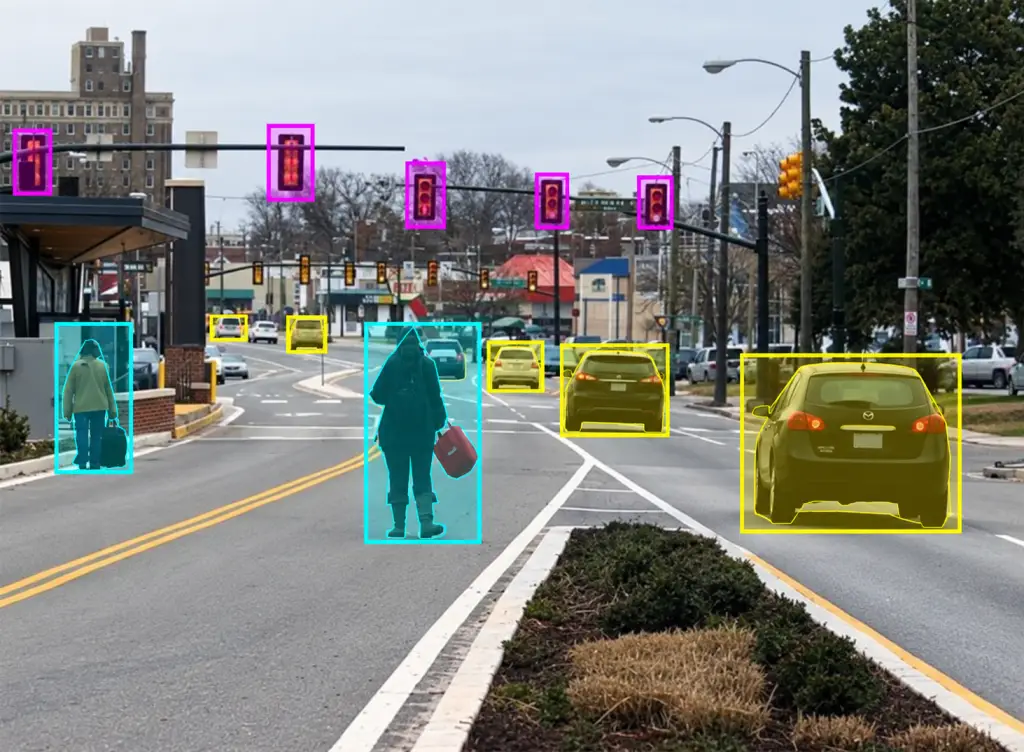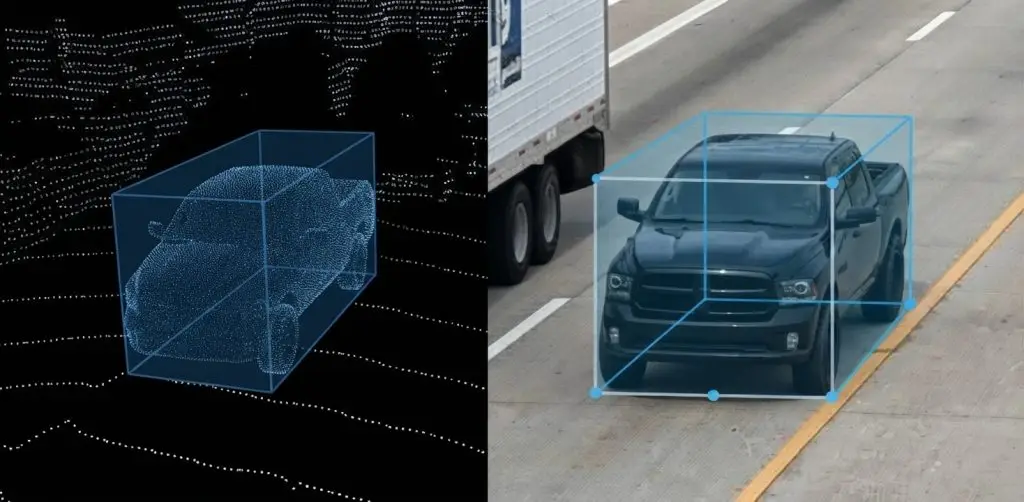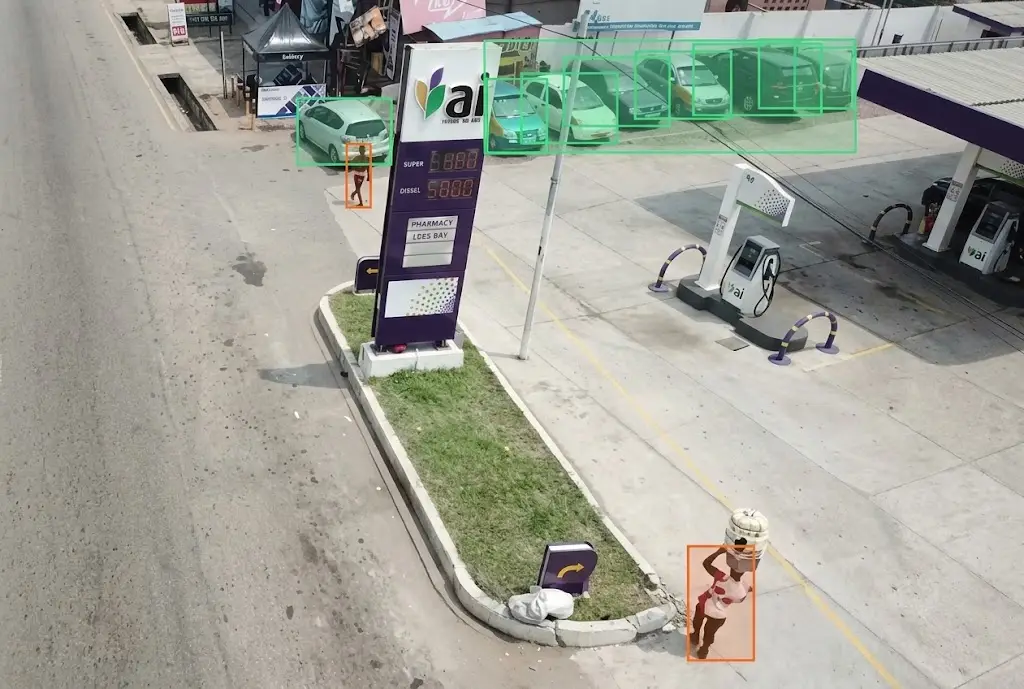

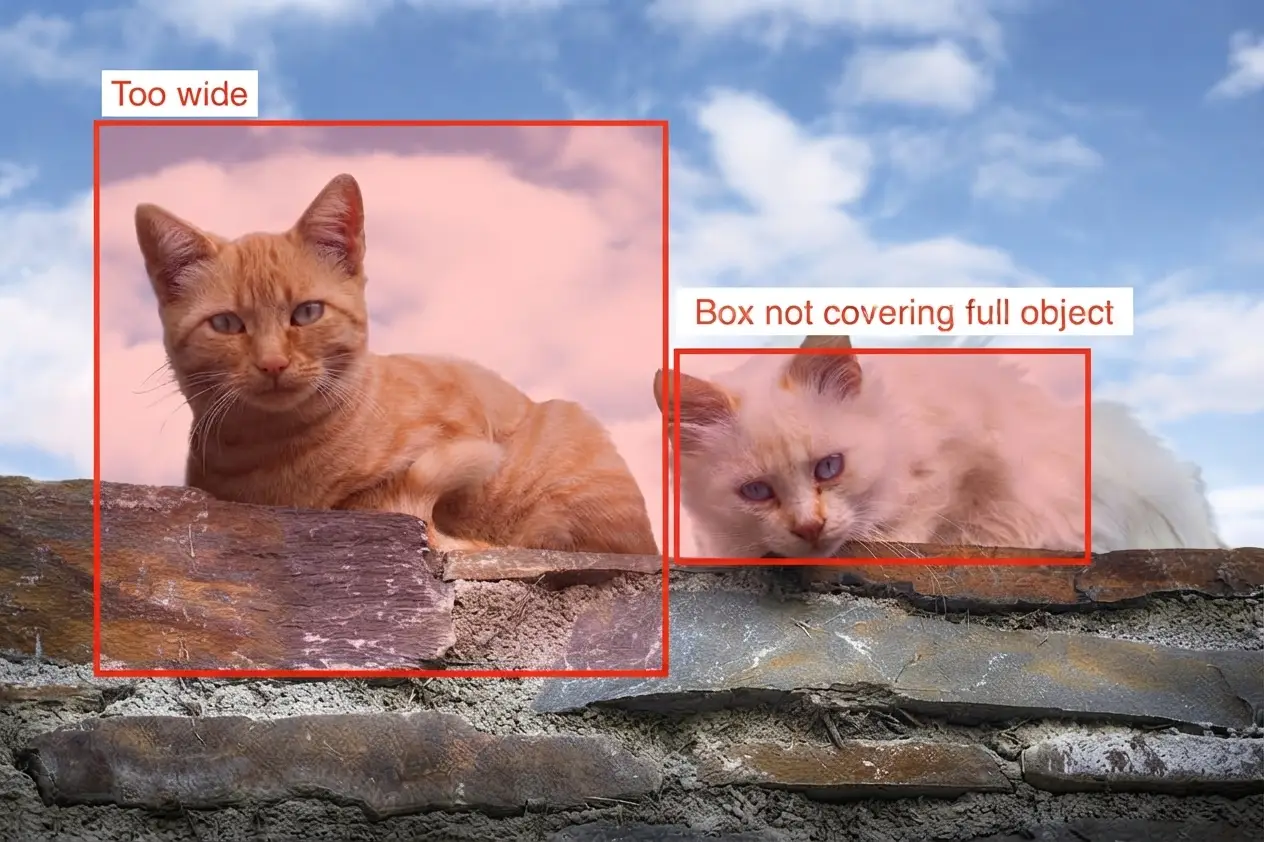
An annotation instruction is judged on one criterion alone: two operators who read it must draw the same thing. That criterion looks modest and most references fail it, not through negligence but because they describe instead of settling.This article sets out that drafting. It extends the article on the errors that degrade a detector.
What an instruction must settle
Six points must be decided in a bounding box reference.What the box must hold exactly.The treatment of hidden parts as well as of cut objects.The precise size threshold below which an object is ignored.The rule applying to an object whose class stays uncertain.The maximum gap tolerated between two annotations of the same object.And the conduct to adopt before a case nothing had foreseen.One important practical consequence follows. The last point is almost always missing and determines the rest, a reference silent on new cases letting every operator invent their own rule, which produces exactly the biases described in the preceding chapter.What an instruction must not do
Five failings make a bounding box reference inapplicable.Describing the object rather than saying how to draw it.Using terms that visibly admit two readings.Appealing to common sense rather than settling explicitly.Multiplying rules to the point where none of them is retained.And illustrating only the easiest cases.One important observation follows for a bounding box project. The third failing is the most widespread, an instruction asking that the object be enclosed as closely as possible saying nothing verifiable, which leaves the rule to each person’s judgement while giving the illusion of having been written.What a visual example transmits
Four properties distinguish an annotated image from a plain paragraph.It never admits more than one reading.It is consulted in a second in the very course of the work.It shows the limiting case instead of trying to describe it.And it compares directly with the drawing under way.One practical consequence follows. Those four properties make a few images more effective than several pages, an annotated example standing as a rule with no wording interposing itself, which explains why a short illustrated reference regularly outperforms a long written one.What testing an instruction establishes
Four observations follow from a reference tested before production.Two operators annotate the same images without ever conferring.The divergences observed designate the sentences to rewrite.The questions asked designate the points purely absent.And the time spent reveals the rules far too costly to apply.One important practical consequence follows for a bounding box project. The third observation is worth as much as the second, each operator question signalling a gap the drafting had left without any disagreement revealing its existence, which makes listening as useful as comparing the drawings.What a reference’s structure presupposes
Five parts compose a genuinely usable bounding box document.A reminder of the final use the corpus is destined for.The definition of each class accompanied by an example.The drawing rules, illustrated rather than merely described.The catalogue of all the limiting cases already settled.And the conduct to adopt before a case still absent from the catalogue.One observation follows. The first part is neglected and changes the quality of the adjudications, an operator who understands what the corpus will serve settling new cases far better than one applying rules without knowing their destination.What the limiting-case catalogue becomes
Four properties characterise this part of the reference.It is empty at the start and then grows richer every week.It grows fast at first and then stabilises.Each entry definitively settles a case already met.And it eventually constitutes the very heart of the document.One important practical consequence follows for a bounding box project. The second property gives a valuable progress indicator, a catalogue still growing at the same pace after several weeks signalling insufficient initial scoping rather than a particularly varied corpus.What revising a reference imposes
Five precautions accompany any modification mid-project.Dating the version and keeping all the previous ones.Explicitly flagging everything that has just changed.Stating whether the earlier batches are concerned.Notifying every operator simultaneously.And verifying the change’s effective application on the next batch.One important observation follows for a bounding box project. The third precaution avoids a costly mixture, a reference modified without saying whether earlier work must be reworked producing a corpus governed by two superimposed conventions, which reproduces exactly the defect the revision meant to correct.What the document’s length changes
Four effects accompany a reference that grows longer.Consultation during the work becomes quite improbable.The important rules drown among a crowd of minor precisions.Internal contradictions become hard to spot.And updating grows harder as the text swells.One important practical consequence follows for a bounding box project. Those four effects argue for a clean separation, a few pages of rules to memorise standing apart from a catalogue of cases to consult, which preserves the legibility of the one while the other grows freely.What operator reports bring
Four conditions make this circuit effective.A simple way of flagging a case without having to interrupt the work.A short response time on the cases reported.A decision recorded in writing rather than an oral answer.And an immediate circulation of that decision to the whole team.One important observation follows for a bounding box project. The second condition determines all the rest, an operator waiting several days for an answer settling the matter alone meanwhile, which produces a precedent the later decision will contradict without anyone reworking what has already been done.Three errors proper to drafting
Three bounding box defects belong to the reference itself.A rule formulated with no image at all illustrating it.A case settled orally and never recorded in writing.And a document whose length discourages any consultation.Those three defects are not visible in the document, they reveal themselves in the dispersion of the annotations produced, and their common point is to let a rule exist without it being genuinely transmitted.What the client must supply here
Four elements come from the client rather than from the provider.The business definition proper to each class of the reference.The cases they already know to be ambiguous in their own field.The precise use the corpus is destined for.And a contact able to settle a new case quickly.One important practical consequence follows for a bounding box project. The last element conditions the pace of the whole project, a case reported with no identified recipient staying in suspense while production continues, which makes the availability of an arbiter more determining than the quality of the initial document.What training adds to the document
Four contributions do not pass through the written text.The commented annotation of a few images in front of the operator.The comparison of their own drawing with a reviewer’s.The immediate correction of the very first habits taken up.And the discovery of limiting cases directly in real conditions.One important practical consequence follows for a bounding box project. The third contribution alone justifies this accompaniment, a habit corrected on the first day costing minutes whereas the same habit discovered three weeks later will have produced a bias across several thousand objects.What this subject has that is particular
Four traits distinguish drafting from the course’s other chapters.It costs a few days and decides several months of work.It is judged on the dispersion of annotations and not on its own quality.It goes on being written throughout production.And nobody explicitly asks for it in a brief.One important observation follows for a bounding box project. The last trait explains its frequent absence, a client ordering annotations and not a reference, which leaves the provider responsible for work nothing in the order made compulsory.What the reference becomes after the project
Four uses outlive it once the corpus is delivered.It permits extending the corpus without breaking overall consistency.It explains to a third party what the delivered annotations mean.It serves as a basis for a neighbouring project in the same field.And it documents decisions nobody remembers any longer.One important practical consequence follows for a bounding box project. The last use reveals itself two or three years later, a renewed team taking up a corpus whose conventions survive only in this document, which makes it the item whose value grows as the project’s memory fades.What the reference changes about the project’s economics
Four effects carry through to the budget in bounding box work.Throughput improves as soon as cases stop interrupting the work.The rework rate falls as the rules stabilise.Control concentrates on the points that are genuinely ambiguous.And training an additional operator becomes markedly shorter.One important observation follows for a bounding box project. The last effect counts more on large volumes, a mature reference permitting reinforcements to be brought in within days where a vague one imposes weeks, which makes this document determining for the capacity to absorb a rise in load.What the tool can carry of the reference
Four functions bring the rule closer to the hand in bounding box work.A reminder of the convention displayed during the drawing.Direct access to the catalogue from the working screen.A case report sent without leaving the image.And a technical constraint forbidding a non-compliant box.One important observation follows for a bounding box project. The last function advantageously replaces a written rule, a size threshold imposed by the tool dispensing with any memorisation, which shows that part of the reference gains from becoming a constraint rather than a sentence.What the reference cannot resolve
Four difficulties persist whatever the document’s quality.A genuinely undecidable case on the image stays undecidable.Fatigue at a session’s end degrades how the rules are applied.A badly defined final use makes every adjudication arbitrary.And a class badly chosen at the outset stays so to the end.One important practical consequence follows for a bounding box project. The first difficulty deserves being owned rather than denied, an honest reference being able to prescribe flagging a case rather than settling it, which is worth more than a rule invented to avoid admitting that the image says nothing.What the first week must produce
Four results justify a cautious start.A dozen limiting cases settled and recorded.A first agreement rate measured between two operators.A list of the wordings rereading has revealed to be ambiguous.And a corrected version of the reference circulated to the team.One important observation follows for a bounding box project. Those four results are worth more than a volume produced quickly, a week devoted to stabilising the rules sparing rework across everything that follows, which makes a slow start markedly more profitable than an energetic one.What the provider brings here
Four contributions distinguish a professional bounding box reference.A first version drafted before production rather than afterwards.A case catalogue fed by the operators’ reports.A test of the reference conducted on a batch before fixing it.And handing the document to the client together with the corpus.One important practical consequence follows. The last contribution is neglected and costs dearly, a corpus delivered without its reference becoming unusable for anyone wishing to extend it later, which turns an internal working document into a deliverable in its own right.What this chapter presupposes of the provider
Four practices distinguish a living reference from a dead document.Writing a first version before the client asks for one.Recording each adjudication rather than passing it on orally.Rereading the document when dispersion rises.And delivering it with the corpus without waiting to be asked.One important practical consequence follows. The second practice demands a discipline nothing imposes, an adjudication given in three words in conversation settling the case of the day without settling anything for what follows, which explains why so many projects answer the same question several times over.Approaching the drafting of a reference
Five questions scope this drafting on a bounding box project.Is the final use recalled. It guides the adjudications.Are the rules illustrated. Text alone does not suffice.Are limiting cases catalogued. They will recur.Is the unforeseen case handled. That is the missing point.And does the document fit in few pages. Otherwise it will not be read.Those five answers determine the reference’s applicability. Asking them before production avoids a document nobody will open twice.The question that frames the drafting
One question determines the useful form of a bounding box reference.Will the document serve to train or to settle during the work.Training presupposes continuous text, explaining the final use and the logic of the rules, read once at the start and then rarely reopened.Settling presupposes a catalogue consultable in seconds, organised by case rather than by theme, opened several times a day.That question belongs to the moment the document is used, it is asked before writing the first line, and it explains why a single reference regularly fails at both uses.Three decisions before drafting
Three decisions commit a bounding box reference.Separating the rules to memorise from the catalogue meant for consultation.Illustrating each rule rather than settling for describing it.And writing from the outset the conduct to adopt before an unforeseen case.Those three decisions cost one morning, they precede the first image, and their absence produces a document the operators will stop opening by the second week.Three checks on a reference
Three controls qualify a bounding box instruction.The presence of visual examples attached to each drawing rule.The existence of a conduct to adopt before an unforeseen case.And the date of the last revision made to the case catalogue.Those three controls are each asked in one question, they require no technical competence, and their absence indicates a document that will produce divergences nobody will be able to explain.Three questions before fixing a rule
Three questions precede entering a rule into the reference.Would two people read it the same way.Would one image suffice to replace it.And will an operator be able to apply it without thinking.Those three questions are asked in a minute per rule, they require no particular competence, and their absence produces an accurate document nobody manages to apply in the same way.What this chapter teaches
One cross-cutting observation deserves closing this examination.An instruction is judged on what it settles, not on what it describes.Three findings compose it.A reference silent on new cases lets everyone invent their own rule.An instruction asking for the closest possible enclosure says nothing verifiable.And an annotated example stands as a rule with no wording interposing itself.That finding extends the preceding chapter, most costly biases tracing back to a sentence nobody judged ambiguous.What this chapter shares with the previous ones
Three findings recur from the start of this course.A visual example transmits a convention better than a paragraph.A divergence between operators designates the reference rather than a fault.And an unwritten rule is replaced by as many rules as there are operators.One important observation follows for a bounding box project. Those three findings all converge on the same work, the drafting of the reference appearing in hindsight as the point where most of what the other chapters then tried to measure or correct was actually decided.What this chapter leaves to the next
A well written instruction applies to a tool’s proposals too.Three questions stay open in bounding box work.What pre-annotation gains and what it loses.Why a proposal imposes its own convention on the corpus.And how to control work that has become a verification.Those three questions belong to pre-annotation, which constitutes the subject of the following chapter.Why writing it unpaid is still worth doing
One point about who funds this work belongs at the close of the chapter.Few clients agree to pay for a reference as a separate line.Three reasons follow in bounding box work.They ordered annotations and see the document as internal method.A competitor quoting without it looks cheaper for the same output.And its value only shows once the work is well under way.One important practical consequence follows for a bounding box provider. Writing it regardless is not generosity but self-interest, since the dispersion it prevents would have been reworked at the provider’s expense, and a document that costs one morning protects margins across every month that follows.Common mistakes
These failures recur often enough that naming them is usually enough to avoid them.- Describing the object instead of saying how to draw it.
- Appealing to common sense rather than settling explicitly.
- Illustrating only the easiest cases.
- Omitting the conduct to adopt before an unforeseen case.
- Drafting a document too long to be consulted.
- Neglecting the reminder of the corpus’s final use.
- Leaving a limiting case settled orally without writing it down.
- Fixing the reference at the start without keeping it alive.
- Using terms that admit several readings.
- Circulating a corrected version without flagging what changed.