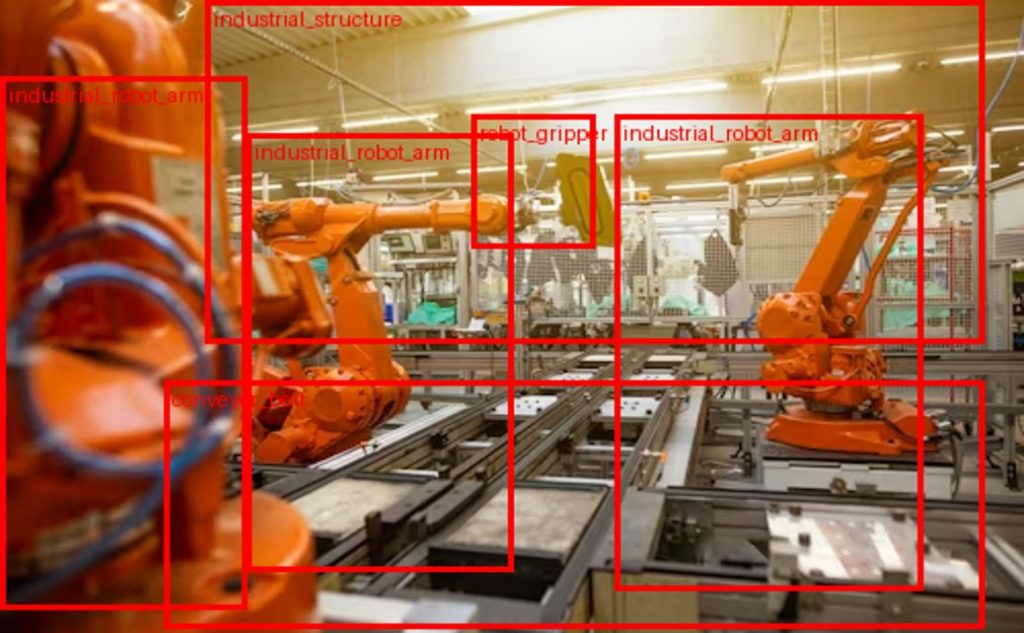

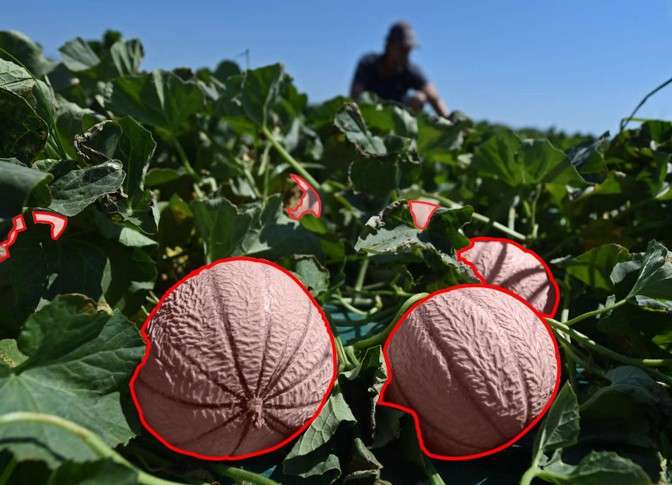
Artificial intelligence has emerged as one of the most powerful levers for advancing modern agriculture. As the sector faces simultaneous environmental, economic, demographic, and technological challenges, AI brings new capabilities for analysis, prediction, control, and automation that are profoundly transforming the way agricultural resources are produced, monitored, and managed. AI in agriculture is no longer a futuristic concept: it is already a key player in crop management, water-use optimization, disease detection, soil quality improvement, task robotization, and strategic decision-making.
For several years now, the agri-digital transition has been paving the way for a more precise, sustainable, and profitable form of agriculture. Farmers, cooperatives, researchers, and agri-tech stakeholders are increasingly adopting solutions based on computer vision, deep learning, neural networks, predictive models, and intelligent automation to better understand the challenges of agricultural production. AI thus provides a significant competitive advantage to those seeking to produce more efficiently while reducing input use, anticipating climate risks, and maximizing the value of every plot of land.
The integration of AI into agriculture is deeply transforming crop management and the exploitation of field data. Thanks to connected tools, IoT sensors, observation satellites, drones, autonomous robots, and cloud platforms, farmers now have access to massive amounts of real-time information. This is where AI comes into play: it analyzes, interprets, correlates, and transforms all this data into concrete recommendations, automated actions, or strategic decisions tailored to each farm.
This shift toward smart agriculture is first and foremost driven by data, because without reliable, diverse, and properly collected data, AI cannot deliver relevant results. Agriculture has therefore become a prime field for the development of multimodal datasets that include images, climate measurements, soil analyses, historical yield data, agronomic information, and aerial imagery. The more precise the data, the more artificial intelligence enhances fine-grained understanding of agricultural phenomena.
AI and Precision Agriculture: Understanding to Produce Better
Precision agriculture is based on a central principle: adapting interventions to the actual needs of the plant, the plot, or the animal, rather than applying uniform actions across the entire farm. Artificial intelligence makes this approach more accessible, faster, and more efficient than ever before. AI models analyze geospatial data, satellite imagery, drone images, and sensor measurements to generate maps of intra-field variability. These maps help identify high- and low-yield zones, assess water availability, monitor biomass evolution, detect water or nutrient stress, and recommend targeted actions such as variable-rate fertilization, differentiated irrigation, or optimized seeding density.
Thanks to computer vision and deep learning, image analysis has become a cornerstone of precision agriculture. Models automatically detect weeds, recognize crop growth stages, measure vegetation cover density, and assess plant health. This enables more efficient mechanical or chemical interventions, reduces herbicide use, and promotes sustainable, soil-friendly farming practices.
AI also enables continuous field monitoring through autonomous drones equipped with multispectral cameras. These systems capture images at different wavelengths (visible, infrared, thermal), making it possible to identify anomalies invisible to the naked eye. Deep learning then converts this data into fast, accurate, and geolocated diagnostics. This type of analysis provides an unprecedented level of insight while significantly reducing monitoring costs.
Intelligent Remote Sensing: Satellites and AI Serving Agriculture
Satellite imagery analyzed by artificial intelligence algorithms plays a decisive role in modernizing agriculture. Its greatest strength lies in its ability to cover vast areas at regular intervals. Remote sensing provides access to essential information such as chlorophyll levels, soil moisture, thermal stress, leaf area index (LAI), vegetation indices (NDVI), and many other critical parameters.
AI models leverage this data to detect anomalies, predict yields, track weather conditions, anticipate extreme events, and generate early warnings. For example, a deep learning model can analyze several years of satellite data to identify growth patterns specific to a given field and predict the optimal time to irrigate, fertilize, or harvest.
This predictive capability is a major asset, especially in an increasingly unstable climate context. Farmers can adjust their practices accordingly, reduce risks, and limit losses caused by droughts, frost events, diseases, or pests.
Smart Water Management with AI
Water is one of the most critical resources in agriculture. AI helps optimize its use through predictive models based on weather, soil moisture, evapotranspiration, soil structure, and historical consumption data.
Sensors placed in the soil transmit real-time data on moisture at different depths. AI analyzes this information to recommend the precise amount of water needed at any given moment. Some farms even use intelligent irrigation systems that automatically adjust based on model recommendations.
The benefits are numerous:
- reduced water-related costs
- energy savings
- improved plant health
- reduced water stress
- more stable yields
AI-assisted irrigation is a decisive lever in coping with increasingly frequent drought episodes
Disease Detection and Prevention: AI as an Agricultural Diagnostic Tool
AI is also transforming how farmers monitor diseases and pests. Computer vision systems identify symptoms on leaves, stems, or fruits: spots, discoloration, necrosis, and mold.
Thanks to deep learning, models can recognize hundreds of plant diseases and differentiate even very similar conditions—a task previously reserved for expert agronomists. AI provides:
- rapid diagnostics
- early detection
- reduced preventive treatments
- more targeted interventions
Some solutions also use electronic pheromones or connected traps that automatically photograph and identify harmful insects. Farmers receive alerts on their smartphones as soon as a critical threshold is reached. This approach helps reduce pesticide use while improving crop protection.
Smart Livestock Management: AI and Animal Welfare
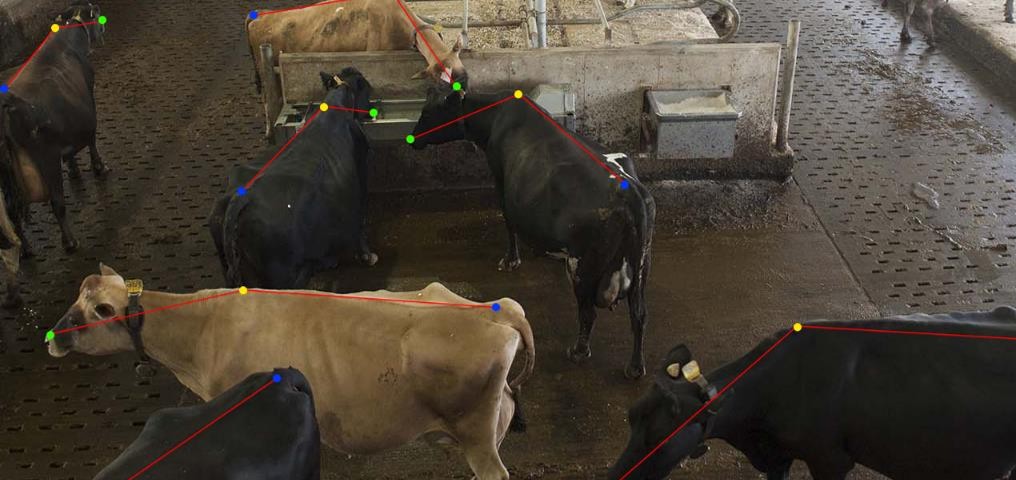
In livestock farming, AI enables continuous monitoring of the health, feeding, behavior, and production of each animal. Sensors track temperature, movement, rumination, and heart activity. Computer vision also analyzes posture, lameness, coat condition, and social interactions.
AI models quickly detect anomalies such as:
- stress
- injuries
- diseases
- atypical behaviors
- estrus cycles
- imminent births
This allows for early and often more effective interventions.
Yield Prediction and Economic Optimization
Yield Prediction and Economic Optimization
AI also provides a strong strategic advantage by forecasting future yields based on:
- climatic conditions
- soil health
- historical data
- planted varieties
- water management
- performed interventions
- encountered stresses
These predictions influence:
- commercial decisions
- inventory management
- workforce planning
- negotiations with buyers
- varietal choices for upcoming seasons
Sustainable Agriculture: AI Serving Ecology
Artificial intelligence is a major ally in promoting sustainable agriculture. It helps to:
- reduce pesticide use
- limit fertilizers
- preserve soil health
- optimize water usage
- avoid losses
- reduce carbon emissions
Segmentation, visual detection, 3D image analysis, and predictive modeling enable more environmentally friendly practices while improving economic performance.
Current Challenges and Limitations of AI in Agriculture
Despite its many advantages, adopting AI in agriculture still presents some challenges:
- equipment costs
- need for training
- limited connectivity in certain areas
- lack of structured data
- risk of errors if datasets are poorly annotated
- complexity of large-scale deployment
However, the general trend shows that these obstacles are decreasing rapidly thanks to falling technology costs, increased cloud platforms, wider adoption of drones, and improved sensor
Conclusion: AI, a Pillar of Tomorrow’s Agriculture
Artificial intelligence is profoundly transforming agriculture by providing tools capable of observing, analyzing, deciding, and acting with precision beyond human capability. AI enables finer resource management, intelligent task automation, risk reduction, better anticipation of agronomic phenomena, and a transition toward sustainable agriculture.
Farms that can collect high-quality data, build robust datasets, properly segment images, leverage deep learning models, and integrate computer vision into their practices will gain a significant advantage in the coming years. AI in agriculture is not just a technology—it represents a new model that reconciles productivity, profitability, and sustainability.